
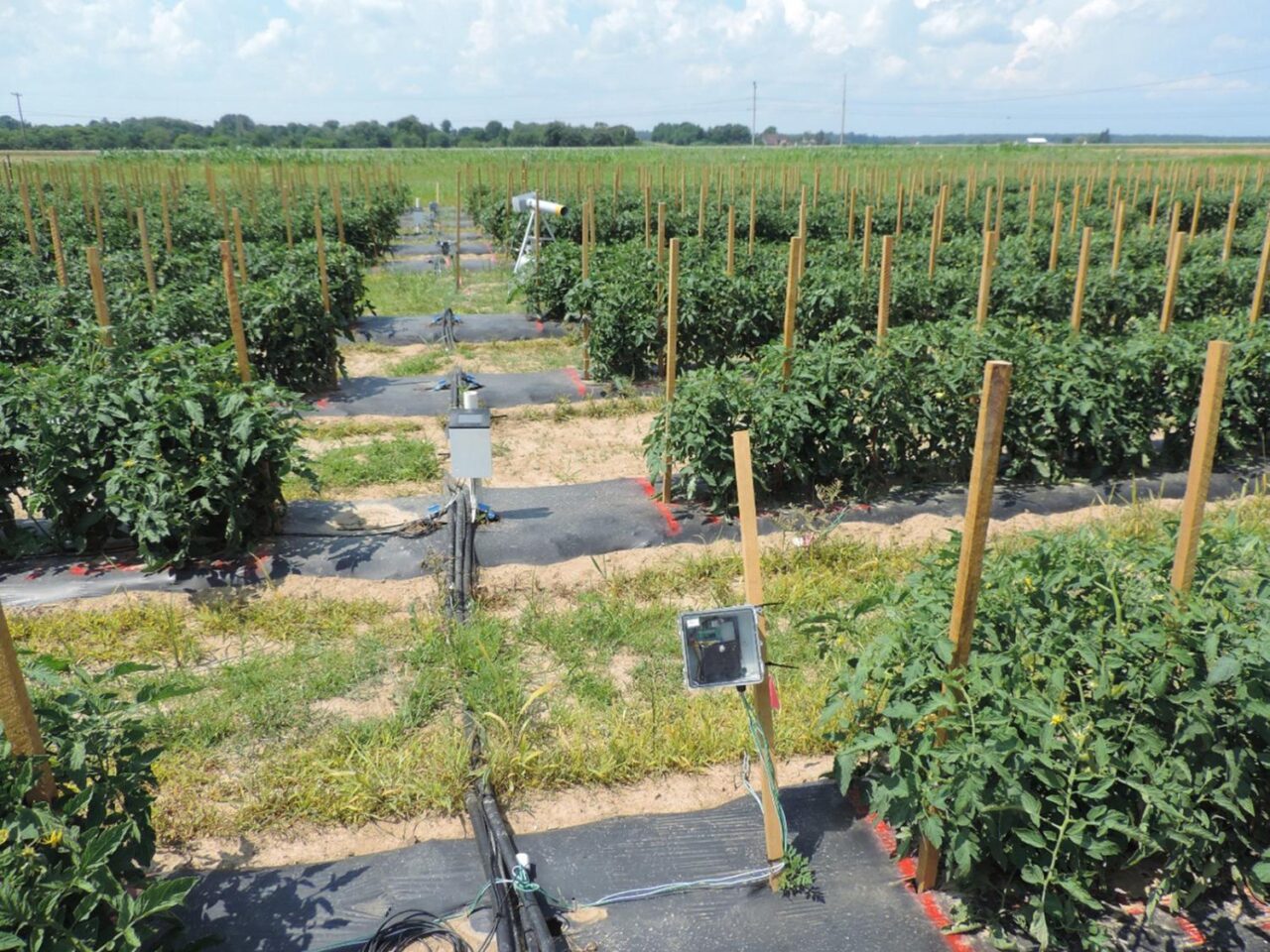
Water is one of America’s most valuable natural resources, yet agriculture accounts for roughly 80% of the nation’s consumptive water use in many regions. As climate change, population growth, and recurring droughts place increasing pressure on water supplies, farmers are searching for innovative ways to produce more food while using fewer resources. One of the most promising solutions is precision irrigation farming.
Precision irrigation uses advanced technologies such as soil moisture sensors, weather forecasting, satellite imagery, drones, and automated irrigation systems to deliver the right amount of water to crops at the right time. Instead of watering entire fields uniformly, farmers can tailor water application to the specific needs of different areas within a field. This data-driven approach has the potential to transform American agriculture.
Conserving Water Resources
Perhaps the most significant benefit of precision irrigation is water conservation. Traditional irrigation methods often result in overwatering, runoff, and evaporation losses. Precision irrigation minimizes waste by applying water only where and when it is needed.
In drought-prone states such as California, Texas, Arizona, and New Mexico, improved water efficiency could help preserve groundwater reserves and reduce pressure on rivers and reservoirs. As water scarcity becomes a growing concern across the country, adopting precision irrigation could play a critical role in ensuring long-term agricultural sustainability.
Increasing Crop Yields
Precision irrigation does more than save water—it can also improve crop productivity. Crops perform best when they receive optimal moisture levels throughout their growth cycle. Too little water can stress plants, while too much can lead to disease, nutrient loss, and reduced yields.
By continuously monitoring soil and crop conditions, precision irrigation systems help farmers maintain ideal growing environments. Healthier crops often translate into higher yields, better quality produce, and increased profitability.
Reducing Costs for Farmers
Water, energy, and labor are major expenses for agricultural operations. Precision irrigation helps reduce these costs by improving efficiency. Automated systems can operate with minimal human intervention, lowering labor requirements. Because less water is pumped and distributed, farmers also save on energy costs associated with irrigation.
Over time, these savings can offset the initial investment in precision technologies, making farms more financially resilient and competitive.
Supporting Environmental Sustainability
Agricultural runoff is a major source of water pollution in many regions. Excess irrigation can carry fertilizers and pesticides into nearby waterways, harming ecosystems and degrading water quality.
Precision irrigation reduces runoff by applying water more accurately. This not only protects rivers, lakes, and groundwater supplies but also decreases the environmental footprint of farming. Furthermore, reduced energy consumption can help lower greenhouse gas emissions associated with agricultural production.
Strengthening Food Security
America’s growing population will require increased food production in the coming decades. Precision irrigation enables farmers to maximize output while using limited resources more efficiently. By improving productivity and conserving water, the technology helps ensure a stable and reliable food supply for future generations.
In addition, farms that are better equipped to manage droughts and changing weather conditions are more resilient to climate-related disruptions, strengthening the nation’s overall food security.
Driving Agricultural Innovation
The adoption of precision irrigation can stimulate growth in agricultural technology industries. Companies developing sensors, artificial intelligence systems, drones, and data analytics platforms are creating new opportunities for innovation and job creation.
As American farmers embrace these technologies, the United States can maintain its position as a global leader in agricultural productivity and technological advancement.
Conclusion
Precision irrigation farming represents a powerful opportunity for American agriculture. By conserving water, increasing crop yields, reducing costs, protecting the environment, and strengthening food security, this technology offers benefits that extend far beyond individual farms. As water resources become increasingly valuable, investing in precision irrigation may be one of the smartest steps America can take toward a more sustainable and productive agricultural future.
