
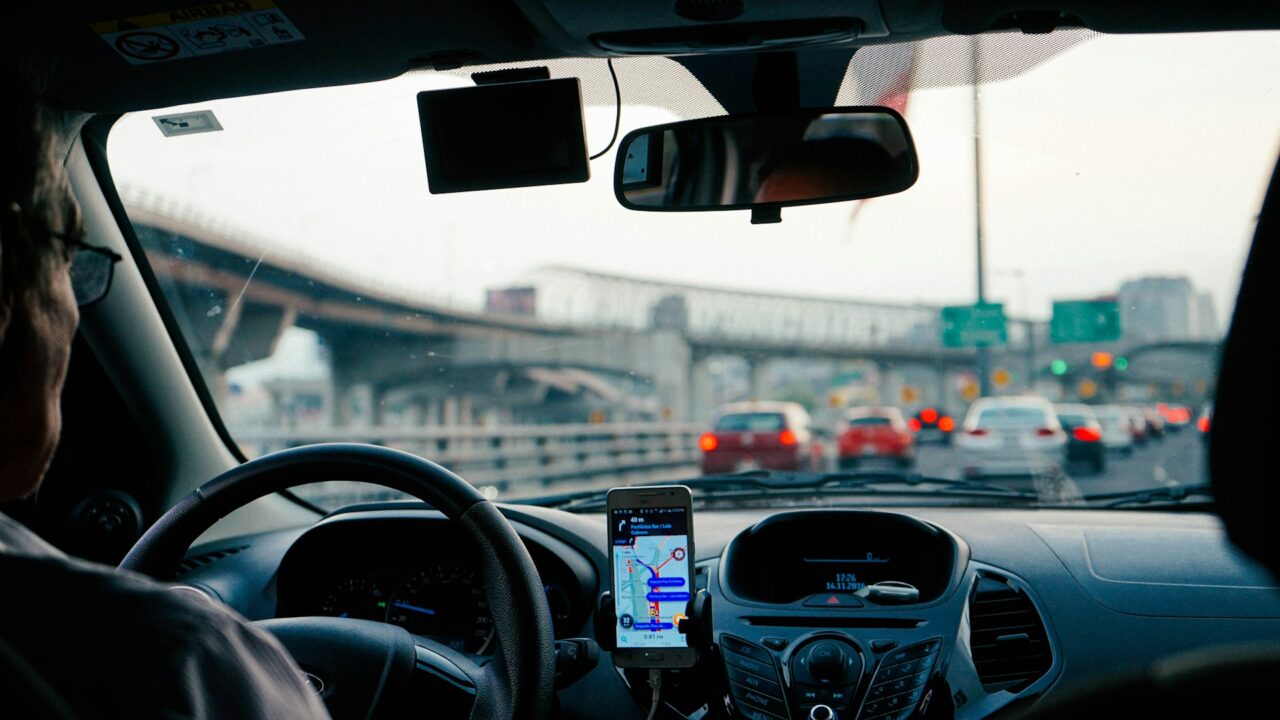
For many Americans, driving is not a luxury—it is a daily necessity. Millions of people rely on their vehicles to get to work, school, appointments, and social activities. Yet despite advances in vehicle safety and road design, many drivers share a common frustration: the driving experience often feels less attentive, less predictable, and more stressful than it should be.
Anyone who regularly drives has likely encountered familiar problems. Drivers sit through green lights while distracted by their phones. Turn signals go unused. Vehicles travel significantly below the speed of surrounding traffic, creating congestion and unnecessary lane changes. Some drivers fail to merge properly, while others seem unaware of the vehicles around them.
These issues are often discussed as matters of courtesy, but they are also matters of safety and efficiency. The question is not simply how to punish bad habits, but how to encourage better ones. Education, public awareness, and ongoing driver development can play a major role in improving the American driving experience.
The Problem of Inattention at Green Lights
One of the most common frustrations on modern roads occurs when traffic lights turn green and the first driver in line fails to move. Frequently, the cause is distraction—usually a smartphone, but sometimes an infotainment system, food, or other activities inside the vehicle.
The consequences may seem minor, but they add up. Delayed starts reduce the number of vehicles that make it through a signal cycle, increase congestion, and create frustration for everyone behind the distracted driver.
Potential Solutions
Public Awareness Campaigns
Many anti-drunk-driving campaigns successfully changed public behavior over time. Similar campaigns could focus on the message that driving requires continuous attention—even when stopped at a red light.
Driver Education Refreshers
States could offer voluntary online refresher courses every few years that emphasize modern distractions and their effects on traffic flow.
Technology-Assisted Alerts
Many newer vehicles already provide alerts when traffic ahead begins moving. Encouraging wider adoption of these features could help reduce delays without creating new distractions.
The Turn Signal Problem
Turn signals are one of the simplest safety tools ever invented, yet many drivers fail to use them consistently. Every lane change or turn communicates information to surrounding drivers. Without that information, other motorists are forced to guess intentions.
A failure to signal increases uncertainty, which often leads to abrupt braking, defensive maneuvers, and collisions.
Potential Solutions
Reframe Signaling as Communication
Driver education often presents turn signals as a legal requirement. Instead, instructors should emphasize that signals are a communication tool that improves cooperation among drivers.
Public Service Messaging
Short advertisements could highlight how signaling reduces stress and confusion for everyone on the road.
Insurance Incentives
Telematics programs that monitor driving habits could reward consistent signaling behavior with small premium discounts.
Driving Significantly Below the Speed of Traffic
Speeding is dangerous, but driving substantially slower than surrounding traffic can also create hazards. Large speed differences force other vehicles to brake, merge unexpectedly, or pass more frequently.
Many drivers assume that slower automatically means safer. In reality, predictability is often more important than absolute speed.
Potential Solutions
Teach Traffic Flow Principles
Most driver education programs spend extensive time discussing speeding but very little time discussing traffic flow. New drivers should learn that maintaining a reasonable speed relative to conditions and surrounding traffic promotes safety.
Lane Discipline Education
Many Americans are never formally taught proper lane usage after obtaining their license. Educational campaigns should emphasize that slower traffic belongs in right-hand lanes whenever practical.
Digital Driver Refreshers
A brief online refresher every decade could reintroduce concepts that many drivers have forgotten since they first received their licenses.
The Need for Continuing Driver Education
One of the unique aspects of driving in America is that many drivers receive formal instruction only once, often as teenagers. Yet traffic patterns, vehicle technology, and road systems continue to evolve.
Pilots, commercial drivers, and many professionals undergo periodic training throughout their careers. Private motorists rarely do.
A New Model: Lifelong Driver Learning
Instead of making licensing more difficult, states could encourage voluntary continuing education through:
- Insurance discounts
- Reduced registration fees
- Tax incentives
- Recognition programs for safe drivers
Courses could cover:
- Distracted driving
- Modern vehicle technology
- Highway etiquette
- Merging techniques
- Lane discipline
- Adverse weather driving
- Sharing the road with cyclists and pedestrians
- Teaching Courtesy as a Safety Skill
Many driving problems stem from a simple issue: drivers often view the road as a competition rather than a cooperative environment.
Courtesy is not merely about being nice. It improves traffic flow and reduces crashes.
Examples include:
- Allowing proper zipper merges
- Signaling early
- Maintaining awareness at intersections
- Keeping right except when passing
- Leaving adequate following distance
- Avoiding unnecessary braking
These habits reduce uncertainty and make driving more predictable for everyone.
Using Technology to Build Better Drivers
Technology is often blamed for distracted driving, but it can also become part of the solution.
Potential innovations include:
- In-car educational reminders
- Driving habit scorecards
- Feedback reports from vehicle systems
- Gamified safe-driving challenges
- Smartphone apps that reward attentive driving
Rather than relying solely on enforcement, these tools can encourage positive behavior through feedback and incentives.
Creating a Culture of Competence
Ultimately, improving the American driving experience requires a cultural shift. Roads function best when drivers see themselves as participants in a shared system rather than isolated individuals.
Most drivers want the same things:
- Safety
- Predictability
- Efficiency
- Reduced stress
Achieving those goals does not require dramatic new laws or expensive infrastructure projects. Many improvements can come from better education, public awareness, and a renewed emphasis on attentiveness and courtesy.
A driver who notices a green light promptly, uses turn signals consistently, maintains an appropriate speed, and respects the flow of traffic contributes more to road safety than many realize. When millions of drivers adopt these habits, the result is a transportation system that is safer, smoother, and far more pleasant for everyone.
